Economic and Social Development Consulting

In continuation of the original mission for which MMIS was founded 35 years ago, we strive to promote positive sustainable economic and social change in Jordan and the region. Ever since our inception, we have expanded our economic and social development consulting services to meet the ever-increasing development challenges of the MENA region.

We serve a wide range of clients: national and local governments, bilateral and multilateral donors, non-profit organizations and non-governmental bodies. Moreover, we partner with international development consulting firms, complementing their broad international expertise with our deep knowledge of the local development context in the region. This enables us as a team to tackle the most pressing development challenges, and achieve the highest possible impact.

We deliver the following cross-cutting services pertaining to economic and social development:

  • Capacity Building

  • Expert Mobilization and Support

  • Institutional Development and Strengthening

  • Monitoring and Evaluation Studies

  • Policy Analysis and Formulation

  • Program Design and Management

Our development oriented assignments cover various interrelated areas, including


  • Private Sector and SMEs Development

    The development of a robust private sector is essential to boost the growth and stability of global economies in general, and the developing economies of the MENA region in particular. In return, economic growth is fundamental for improving income and employment prospects as well as for poverty alleviation.

    We, at MMIS, pride ourselves that we have successfully worked with the major stakeholders relevant to private sector development in the region. On one hand, we have partnered with decision and policy makers, including governments, bilateral and multilateral donors, and international development agencies to deliver a number of major Small and Medium Enterprises (SMEs) development programs. Our Services On the other hand, since our establishment, we have advised numerous private sector enterprises and entrepreneurs on a multitude of issues critical to their success.

  • Governance and Public Policy Reform

    Governments in the developing countries face a number of challenges in different areas, including public financial management, eficiency and transparency, rule of law, civil rights, equality and democracy. Through providing capacity building and technical assistance, we strengthen governments’ institutional capacity,enhance service delivery and stimulate local economic development.

    Deeply rooted in the region, we have developed unmatched expertise and knowledge in the particular challenges that face governments of the MENA region. Over the past 25 years, we have implemented a large number of assignments related to governance and public policy reform. We foster a bottom up approach to development, stemming from our belief that a participatory approach is imperative to the success of any intervention.

  • Export & Trade Development, and Investment Promotion

    Export and trade development, and investment promotion are essential tools to increase the competitiveness of the developing countries’ economies. Our team works with private and governmental institutions to stimulate economic development through identifying potential investment ideas and export markets for local industries and services, developing investment maps, advising and implementing public policy reforms, building capacity of trade and export related government bodies, developing export strategies, facilitating accession to World Trade Organization (WTO) and value chain analysis.

  • Social Development

    Experience has shown that economic development alone is not sufficient to ensure long-term sustainable development. Social development is a critical aspect of the development cycle, and is essential in transforming the development objectives of any country into tangible results and in improving the well-being of its people.

    Our social development work covers a wide spectrum of areas, including: Inequality, gender, healthcare, youth and education, employment and labor, civil rights, sustainable energy and environment. Our approach to social development focuses on empowering people and societies to become more inclusive, resilient and cohesive, which is, in our belief, the essence of the overall development process.

Areas of Expertise


Gender and Women

Economic Development

Education and Youth

Protection
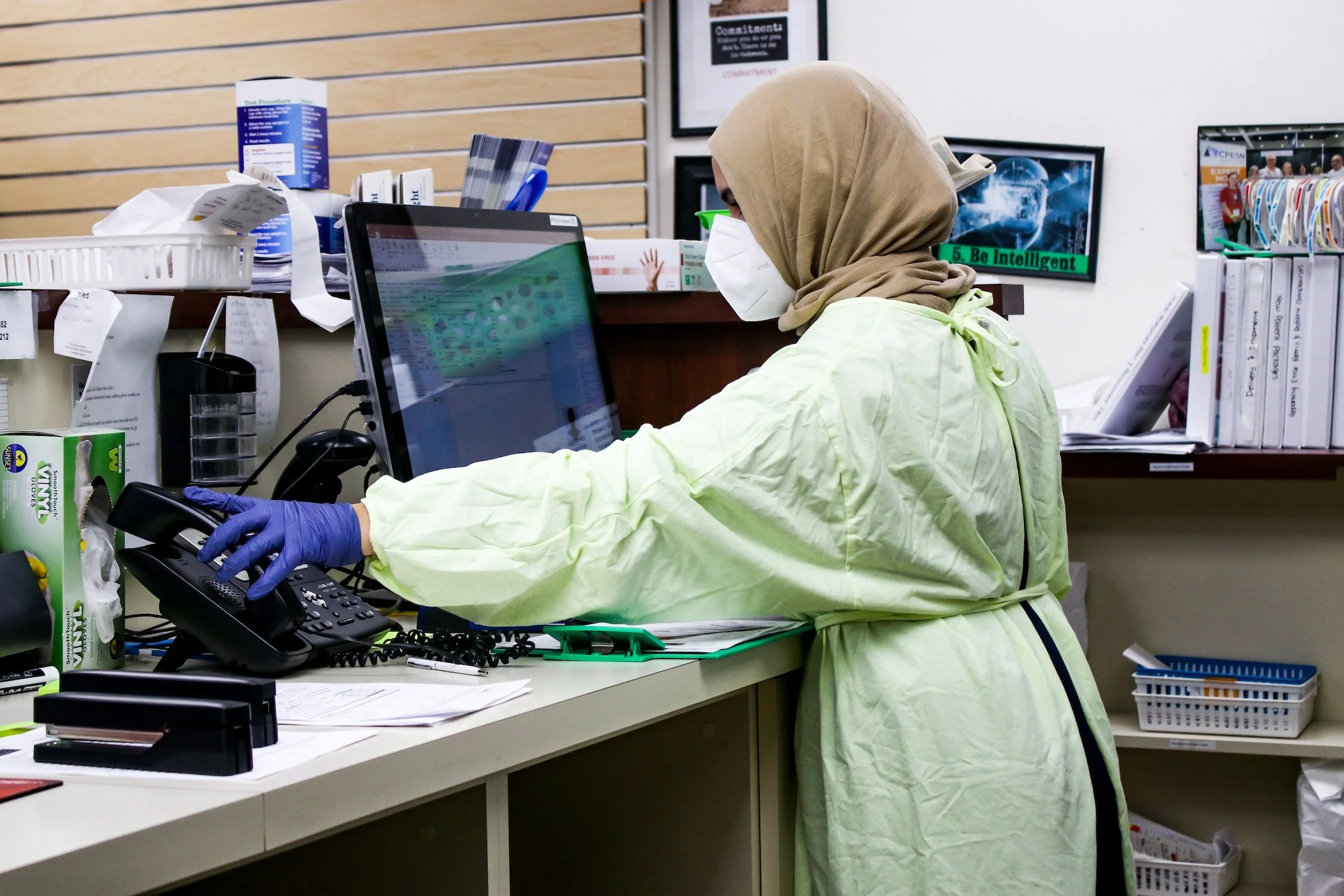
Public Health

Poverty
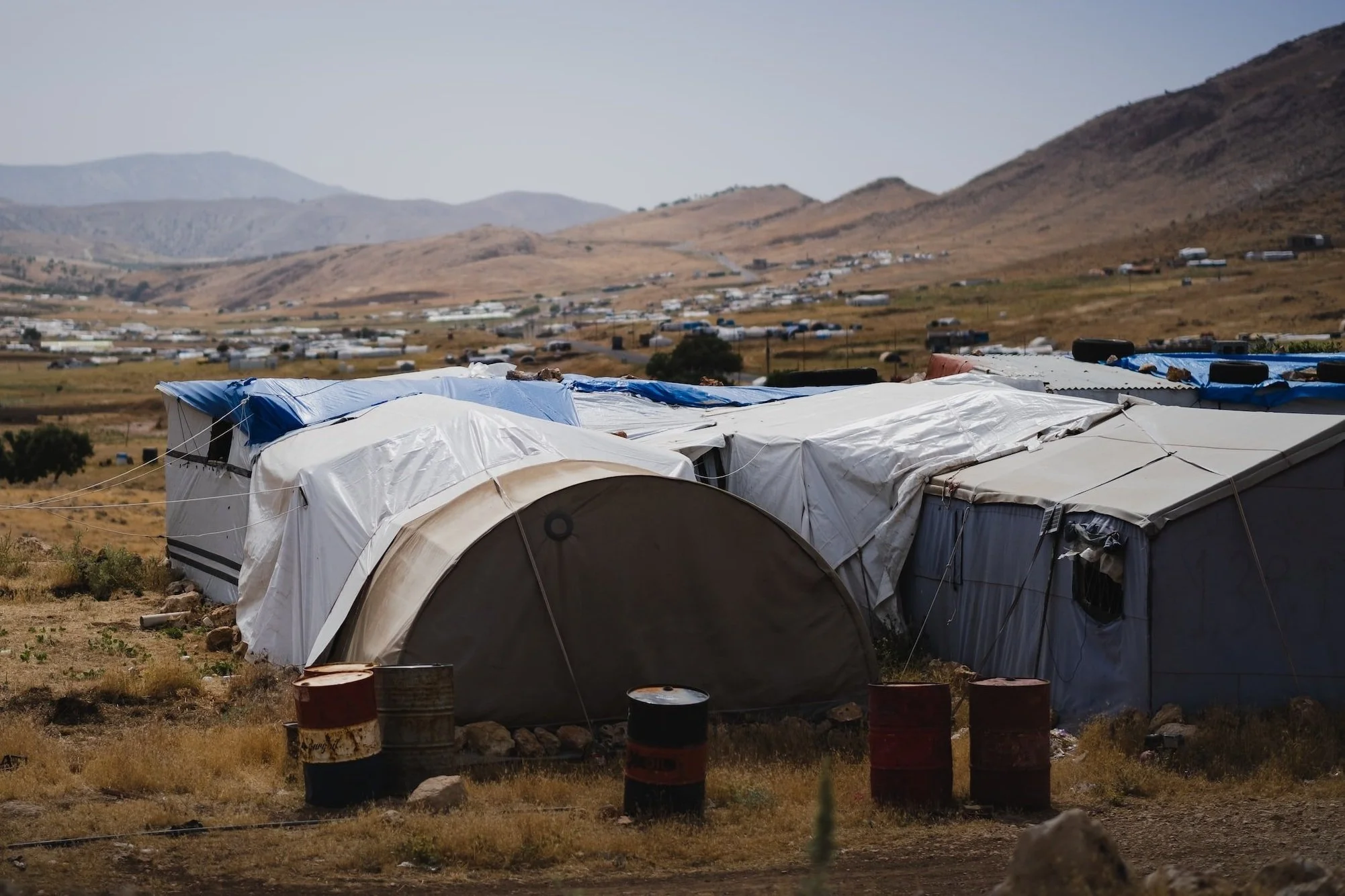
Refugees and Vulnerable groups
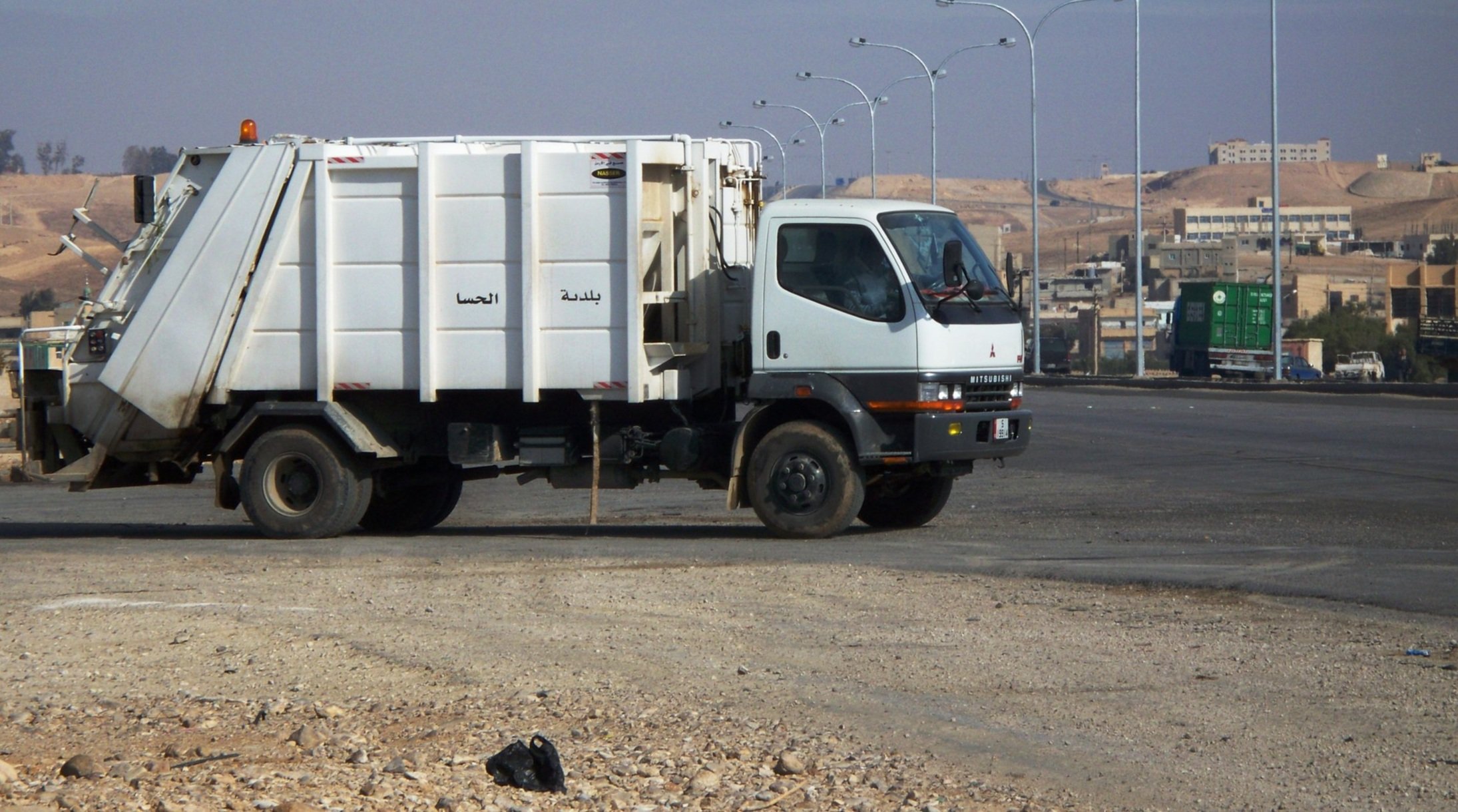
WASH

Energy

Sample Projects


  • Implementation of IFC's Care Arabia Regional Peer Learning Platform in Jordan and Lebanon

    The Care Arabia initiative, led by the International Finance Corporation (IFC), concluded with the successful delivery of employer-led childcare solutions aimed at strengthening female labor force participation and enhancing business performance. The initiative focused on supporting the sustainability of women-led daycare enterprises while addressing childcare gaps faced by working parents in the private sector.
    As part of this engagement, MMIS provided technical support to 19 private-sector employers in Jordan and Lebanon, conducting childcare needs assessments, delivering expert-led coaching, and developing tailored monitoring tools. These interventions supported employers in the design and implementation of workplace childcare solutions that aligned with workforce needs, regulatory requirements, and operational capacities.

  • Conducting Rapid Labour Market Assessments and Implementing Active Labour Market Measures in Cooperation with Employment Offices within the Ministry of Labour
    The Employment in Jordan 2030 (EJ2030) project was implemented through a collaboration between the German Federal Ministry of Economic Cooperation and Development and the Government of Jordan and was managed by the Gesellschaft für Internationale Zusammenarbeit (GIZ) GmbH in partnership with Jordan’s Ministry of Labour to address unemployment and labor market challenges.

    Within this framework, MMIS led a dedicated sub-project that contributed directly to the achievement of EJ2030 objectives. The assignment included conducting labor market assessments across four governorates, organizing private-sector awareness workshops, implementing active labor market measures to facilitate job placements, and strengthening the operational capacity of public employment office staff. These interventions generated evidence-based insights, enhanced institutional capabilities, and supported more responsive and coordinated employment services at the local level.
  • Evidence Generation on the Impact of Sustainability Measures under the Makani Programme

    The Makani programme, led by UNICEF, was implemented to deliver integrated, community-based services aimed at protecting children, adolescents, youth, and families affected by the Syrian crisis in Jordan. Within this framework, MMIS conducted a sustainability impact assessment across 35 Makani centers, examining the programme’s capacity-building efforts, degree of institutionalization, and environmental performance. The assessment included a review of infrastructure conditions and energy-efficiency practices, generating evidence to inform short- and medium-term sustainability planning and support the continued delivery of Makani services at the community level.

  • Impact Evaluation for Read Libraries Project

    The READ Libraries model, led by Queen Rania Foundation, was implemented to strengthen reading culture in Jordanian public primary schools through the establishment of functional school libraries and the integration of weekly guided reading sessions into classroom practice.

    MMIS carried out a rigorous randomized controlled trial (RCT)-based impact evaluation of the program’s third cohort, assessing outcomes among Grades 3-5 students and their teachers across 30 public schools in Karak and Madaba. The evaluation examined the program’s effects on reading behaviors, instructional practices, and library utilization, generating evidence on the effectiveness of structured library-based interventions in supporting early-grade literacy within public school settings.

  • Enhancing Rainwater Harvesting System at Jordanian Industrial Estates

    The Green Action in Enterprises (GAIN) initiative, led by GIZ in partnership with the Jordan Industrial Estates Company, was implemented to promote sustainable industrial practices and improved water management across Jordan’s industrial estates. As part of this initiative, MMIS conducted a feasibility study for Madaba Industrial Estate and developed scalable business cases for Zarqa, Al-Salt, and Al-Tafilah. The work assessed technical, financial, and environmental viability and supported the adoption of rainwater harvesting systems, circular water-use models, and climate-resilient industrial solutions, providing a practical foundation for replication across multiple industrial zones.

  • Exploring Behavioral Drivers and Decision-Making in Breast Cancer Screening Insights from Awareness Prompt Engagement

    The Jordan Breast Cancer Program, in partnership with the King Hussein Cancer Foundation and Center and the Ministry of Health, commissioned MMIS to conduct a qualitative study examining the behavioral drivers and decision-making processes shaping breast cancer screening among Jordanian women. The study explored barriers to mammography uptake, including limited awareness, social stigma, fear, and perceptions of pain, and assessed the influence of awareness prompts on women’s screening behaviors. The findings generated evidence to inform more targeted and responsive breast cancer awareness and screening strategies.

Clients